



What are the Packaging Requirements for LSR Molders?
As a supplier of LSR (Liquid Silicone Rubber) molders, I understand the criticality of proper packaging for these precision products. LSR molders are widely used in various industries, such as automotive, medical, electronics, and consumer goods, due to their excellent properties like high - temperature resistance, chemical stability, and flexibility. Ensuring that they reach the customers in perfect condition is not only a matter of customer satisfaction but also a reflection of our professionalism and commitment.

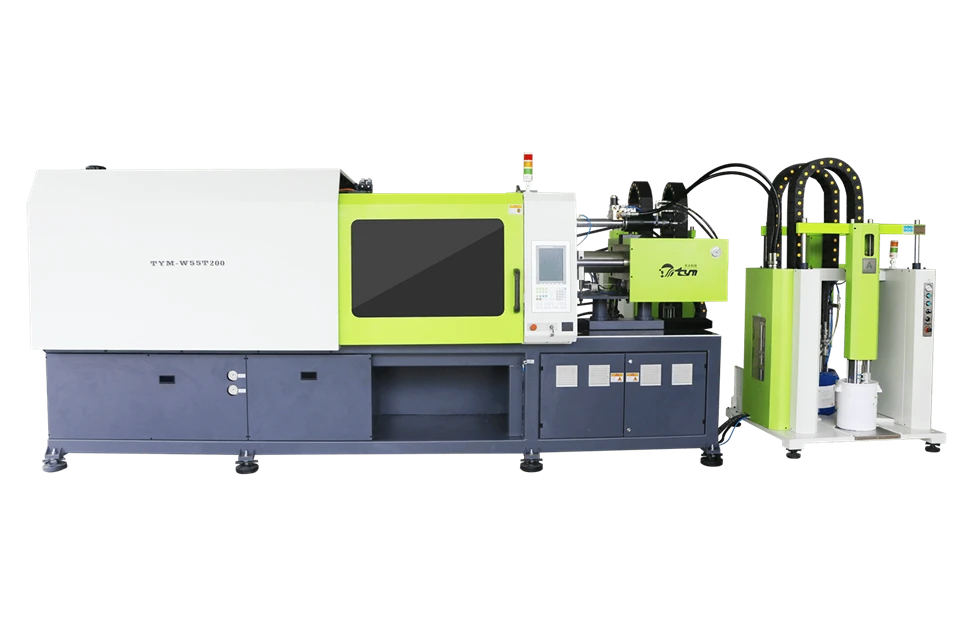
The Importance of Packaging for LSR Molders
The packaging of LSR molders serves multiple important functions. Firstly, it provides protection from physical damage during transportation. LSR molders are often made with intricate designs and precision components. Any impact, vibration, or shock during transit can cause deformation, cracks, or misalignment, rendering the molder useless or less effective. For example, the delicate sealing parts of an LSR molder, if damaged, may lead to leakage during the molding process, which can significantly affect the quality of the final products.
Secondly, packaging protects LSR molders from environmental factors. Moisture, dust, and chemical contaminants can have a detrimental effect on the performance and lifespan of the molders. Moisture can cause corrosion of metal parts, while dust can accumulate in moving components, increasing friction and wear. Chemical contaminants may react with the silicone or other materials used in the molder, altering their properties.
Finally, good packaging also plays a role in brand image. A well - packaged LSR molder gives customers the impression of a high - quality product. It shows that the supplier pays attention to every detail, which can enhance customer confidence and loyalty.
Material Selection for Packaging
The choice of packaging materials is crucial to meet the protection requirements of LSR molders.
1. Protective Foam
Polyethylene foam is a popular choice for protecting LSR molders. It has excellent cushioning properties, which can absorb the impact energy during transportation. Its high - density structure provides better support for heavy molders, while its low - density version can be used for softer protection of more delicate parts. For example, small and intricate LSR mold inserts can be padded with low - density polyethylene foam to prevent scratching and damage.
2. Cardboard and Corrugated Boxes
Corrugated cardboard boxes are widely used as an outer packaging option. They are lightweight, cost - effective, and easy to customize. The corrugated structure provides additional strength and shock absorption. For larger LSR molders, double - wall or triple - wall corrugated boxes can be used to ensure adequate protection. These boxes can also be printed with brand logos, handling instructions, and product information, which is useful for marketing and product identification.
3. Plastic Film and Bags
Polyethylene plastic bags are used to wrap individual LSR molders or components to protect them from dust and moisture. Anti - static plastic bags are especially important for electronic LSR molders, as they prevent static electricity from damaging sensitive electronic components. For example, if an LSR molder is used in the production of electronic connectors, it must be protected from static discharge to ensure its proper functionality.
Custom - Fit Packaging
Custom - fit packaging is highly recommended for LSR molders. Since each molder has its unique shape, size, and features, a one - size - fits - all approach may not provide sufficient protection. By designing custom - fit packaging, we can ensure that the molder fits snugly into the package, reducing the risk of movement and damage during transportation.
Using computer - aided design (CAD) technology, we can create precise 3D models of the LSR molders. Based on these models, we can fabricate custom - made foam inserts or cardboard partitions. This not only provides better protection but also makes the packaging more compact, reducing shipping costs. For example, our TYM - W LSR Injection Molding Machine is carefully measured, and custom - fit packaging solutions are designed to ensure its safe transport to our customers.
Labeling and Documentation
Proper labeling and documentation are essential parts of the packaging requirements for LSR molders.
On the outer packaging, labels should indicate important information such as product name, model number, quantity, weight, and handling instructions. For example, labels may include statements like "Fragile - Handle with Care" or "This Side Up" to guide the handlers during transportation.
In addition, each package should include a detailed packing list and product manual. The packing list provides an itemized description of the contents of the package, which helps the customer to verify the received goods. The product manual contains installation instructions, operating procedures, maintenance guidelines, and safety information, enabling the customer to use the LSR molder correctly and safely.
Validation through Testing
To ensure that the packaging meets the requirements, we conduct various tests.
1. Drop Testing
Drop testing simulates the accidental dropping of the package during the handling process. The package is dropped from a certain height onto a hard surface at different angles and orientations. By examining the condition of the LSR molder after the drop test, we can determine if the packaging can provide sufficient protection. For example, we test our TYM - W55T200 2K / Double - Color Machine packaging with multiple drop tests to ensure that it can withstand the normal handling impacts.
2. Vibration Testing
Vibration is a common factor during transportation. Vibration testing is carried out to simulate the vibration environment during road, rail, or air transportation. The package is placed on a vibrating platform and subjected to different frequencies and amplitudes of vibration. This test helps to detect if any components of the LSR molder may become loose or damaged due to vibration.
3. Compression Testing
Compression testing checks the ability of the packaging to withstand the weight of stacked packages during storage and transportation. A heavy load is applied to the top of the package, and the deformation of the package and the condition of the LSR molder inside are monitored. This ensures that the packaging can protect the molder even when it is placed under a stack of other goods.
Environmental Considerations
In today's world, environmental protection is an important aspect of packaging design. We strive to use recyclable, biodegradable, and sustainable packaging materials as much as possible. For example, paper - based materials like corrugated cardboard can be easily recycled. Some foam materials are also available in biodegradable versions, which reduces the environmental impact of our packaging.
Cost - Efficiency
While providing high - quality packaging, we also need to consider cost - efficiency. The packaging cost is an important part of the overall product cost. By optimizing the packaging design, using cost - effective materials, and reducing packaging waste, we can keep the packaging cost under control. At the same time, we ensure that the packaging still meets the protection requirements of the LSR molders.
Conclusion
As a supplier of LSR molders, we understand that proper packaging is crucial for the safe delivery and performance of our products. By carefully selecting packaging materials, designing custom - fit packaging, providing proper labeling and documentation, validating through testing, considering environmental factors, and ensuring cost - efficiency, we can meet the packaging requirements of LSR molders.
If you are interested in our LSR molders, including our TYM - W Toggle LSR Injection Molding Machine, and other products, we welcome you to contact us for procurement and further discussions. We are committed to providing you with high - quality products and excellent service.
References
- "Packaging Technology Handbook" by John A. Robertson
- "Plastic Packaging: Properties, Processing, Applications, and Regulations" by Rosato, Dominick V.